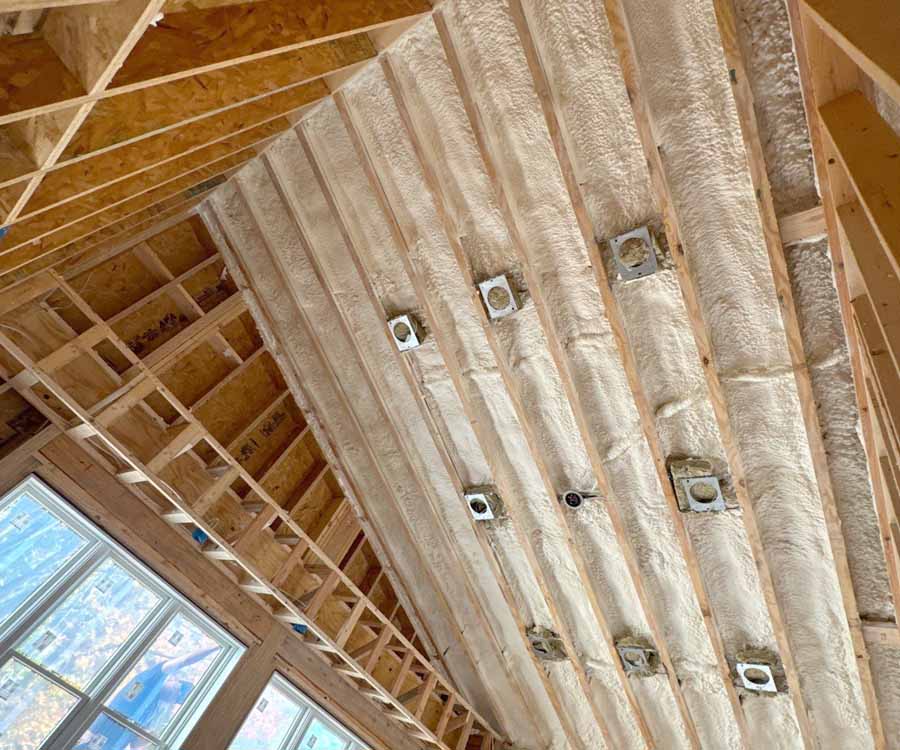
Choosing the right insulation contractor is one of the most important decisions you’ll make when building a new home or upgrading an existing one. Top-quality, proper insulation helps keep your home comfortable and energy-efficient year-round, but only when it’s installed correctly by a reputable professional.
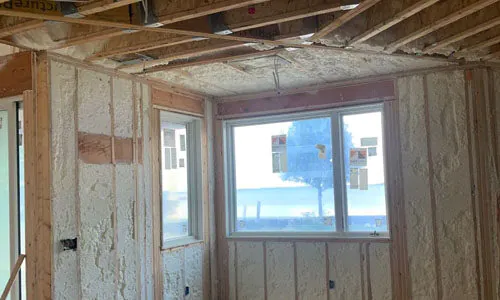 Attic insulation is one of the most impactful home energy efficiency upgrades homeowners in Maryland and Virginia can make. In recent years, spray foam has become a top choice thanks to its excellent air sealing and thermal performance. But spray foam installation is far more technical than traditional insulation. It requires precise chemical mixing, controlled temperature and humidity conditions, and professional-grade equipment.
Mistakes such as poor mixing, poor adhesion, or incomplete coverage can significantly reduce spray foam’s performance. In some cases, it can even require costly removal and reinstallation. That’s why carefully vetting your contractor is especially important when choosing spray foam for your attic.
Why Proper Insulation Matters in Maryland & Virginia
Energy Efficiency & Climate Considerations
Proper attic insulation plays a major role in home energy efficiency. When insulation is lacking or poorly installed, heat escapes in winter and enters in summer, forcing your HVAC system to work overtime.
Maryland and Virginia homeowners deal with chilly winters and hot, humid summers, making effective insulation essential for comfort and lower energy bills. The U.S. Department of Energy recommends attic insulation levels of about R-49 to R-60 for homes in Maryland and similar for Virginia.
In many homes, spray foam insulation and blown-in insulation help stabilize indoor temperatures and reduce energy costs. An experienced spray foam or blown-in attic insulation contractor who understands proper coverage and depth will ensure your attic is ready to go.
Beyond Heat Retention: Building Science Fundamentals
A knowledgeable contractor isn’t just focused on R-values. A true building science insulation expert understands how air sealing, moisture control, and ventilation work together. They know that air leaks should be sealed before insulation is added, and that proper attic ventilation helps prevent moisture buildup and supports healthy indoor air quality. This whole-house approach is what separates a basic installer from a true insulation and air sealing specialist.
Key Factors When Choosing an Insulation Contractor
All contractors are not alike. Spending time to find a qualified professional pays off in long-term comfort and performance.
Experience and Expertise
Look for a contractor with extensive experience in insulation. Spray foam and dense-packed or blown-in fiberglass require very different skills from general remodeling work. Maryland’s Home Improvement Commission recommends checking insulation contractor reviews and references before hiring. Longevity matters, too. A contractor who’s been operating locally for decades and has a solid track record is more likely to stand behind their work.
 Building Science Knowledge
 Building Science Knowledge
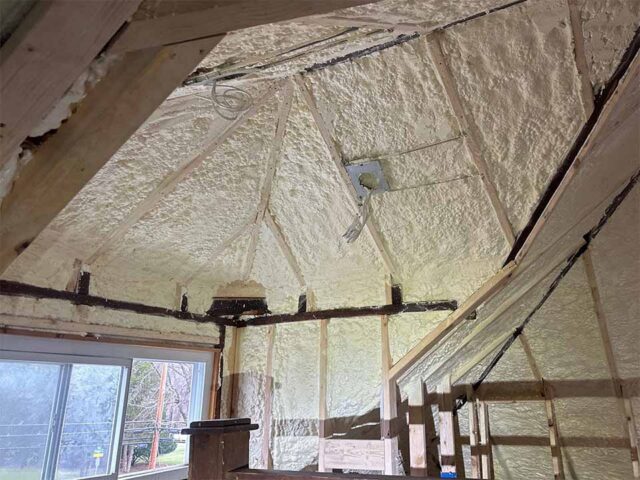
A competent contractor should clearly explain air sealing, attic ventilation strategies, and the use of vapor barriers. Understanding how a vapor barrier can help prevent condensation in your walls is especially important in humid climates like those we have in Maryland. Many top contractors pursue ongoing education or certifications, such as becoming a BPI-certified insulation contractor, to stay current on best practices.
Proper Licensing (Maryland & Virginia)
Always verify licensing. In Maryland, insulation work requires a Maryland Home Improvement Commission (MHIC) license, and using an unlicensed contractor is a criminal offense. Hiring an MHIC licensed insulation contractor also gives you access to the MHIC Guaranty Fund. This fund compensates homeowners up to $30,000 for losses caused by licensed contractors, but is unavailable if you choose to work with an unlicensed contractor.
In Virginia, contractors are licensed through the Department of Professional and Occupational Regulation (DPOR) and are classified by class and specialty. Many Virginia insulation contractors carry the INS specialty for “insulation and weather stripping contracting”.
Use Virginia’s online license lookup or Maryland’s license search to check a contractor’s status and history. Reputable companies will gladly provide license numbers so you can verify they’re in good standing.
Insurance Coverage
Licensing must go together with insurance. A licensed and insured insulation contractor carries general liability insurance and workers’ compensation. Maryland now requires licensed home improvement contractors to maintain at least $500,000 in general liability coverage. Never hire a contractor who can’t provide proof of current insurance. It’s too big a risk to let an uninsured crew work on your property.
Reputation and Customer Service
Pay attention to responsiveness, punctuality, and clarity during the estimate process. A reputable contractor will explain recommendations, respect your home, and clean up after the job. Maryland consumer guidance emphasizes that contractors should fully explain estimates and answer all questions before work begins. You should feel comfortable with the scope of work before signing anything. Be sure to check online reviews and ask around the community about the prospective contractor’s reputation.
 The goal is to find a contractor who values customer satisfaction, stands behind their work, and is willing to return to address issues after installation.
Detailed Estimates and Contracts
Always get a written proposal outlining materials, scope of work, and costs. A detailed insulation estimate and contract protects both you and the contractor by clearly setting expectations. Maryland law limits down payments to one-third of the total price and requires written contracts. If a building permit is needed, confirm that the contractor will obtain it and ask to see it before work begins. Pulling permits should not be the homeowner’s responsibility.
Local Knowledge and Code Compliance
Local experience matters. State building codes, climate zones, and housing styles vary across the region, which can influence how insulation is installed. A seasoned insulation contractor Maryland and Virginia homeowners trust will understand local energy codes, moisture challenges, and construction styles. For instance, an experienced contractor may recommend different insulation strategies for a coastal Maryland home versus a mountain home in northern Virginia. Take note, if your house was built before 1978, your contractor must be EPA Lead-Safe Certified to complete any work that could disturb old paint, such as drilling into walls for insulation. This certification is required by federal law to ensure safe practices around lead paint.
Local Experience You Can Count On
By weighing a contractor’s experience, credentials, building science knowledge, and professionalism, you’ll be well on your way to choosing the right contractor for the job. Remember, the lowest bid isn’t always the best value. A properly installed insulation job delivers comfort and savings for decades and is worth the investment of hiring a qualified insulation contractor.
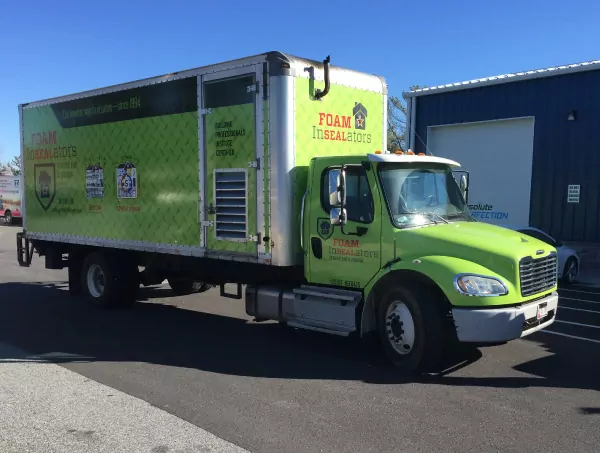
Foam InSEALators brings decades of experience as a trusted spray foam insulation installer, serving homeowners across Maryland and Virginia. Fully licensed, insured, and deeply grounded in building science, our team knows how to get insulation right the first time.
When you work with Foam InSEALators, you’re choosing a contractor who values quality, customer care, and long-term performance. If you’re ready to improve comfort, efficiency, and peace of mind, count on us to do the job right. Contact us today to schedule your free insulation estimate and see why so many homeowners trust us with their homes throughout Virginia and Maryland.
References
Maryland Department of Labor. (n.d.). Advice on choosing a contractor. Maryland Home Improvement Commission. https://labor.maryland.gov/license/mhic/mhicconadvice.shtml
Maryland Department of Labor. (n.d.). Maryland Home Improvement Commission. https://labor.maryland.gov/license/mhic/
Maryland Department of Labor. (n.d.). What is home improvement? Maryland Home Improvement Commission. https://labor.maryland.gov/license/mhic/mhicwhatishi.shtml
University of Maryland Extension. (n.d.). Home energy insulation. https://extension.umd.edu/resource/home-energy-insulation
U.S. Environmental Protection Agency. (n.d.). Renovation, repair, and painting program: firm certification.https://www.epa.gov/lead/renovation-repair-and-painting-program-firm-certification
Virginia Cooperative Extension. (n.d.). Selecting a contractor (Publication 2908-9023). Virginia Tech. https://www.pubs.ext.vt.edu/2908/2908-9023/2908-9023.html
Virginia Department of Professional and Occupational Regulation. (n.d.). Virginia contractors classifications & specialties [PDF]. https://www.dpor.virginia.gov/sites/default/files/Records%20and%20Documents/Regulant%20List/VA%20Contractors%20Classifications%20%26%20Specialties.pdf