
Living in the Mid-Atlantic means dealing with cold winters and hot, humid summers. The right insulation keeps your home comfortable year-round and lowers energy bills. The hard part is finding an insulation contractor who shows up, does quality work, and stands behind their service. This guide provides clear criteria and local knowledge to help you make informed decisions and choose the best contractor for your insulation job.
1. Contractor Experience and Expertise
You want a contractor with real experience in residential insulation, not just general construction. Look for companies with a long history of insulation installation and ask how long they’ve been in business. Request a project list to see whether they’ve handled jobs like yours, such as older attic upgrades or new construction.
Always ask for references and call them. Helpful questions include:
- Were you satisfied with the contractor’s work and results?
- Did any problems come up? How were they handled?
- Was the work completed on time and within budget?
A qualified contractor should explain why their recommended solution is suitable for your home. Avoid one-size-fits-all approaches. Good contractors tailor their approach to your home’s needs.
2. Building Science and Energy Efficiency Know‑How
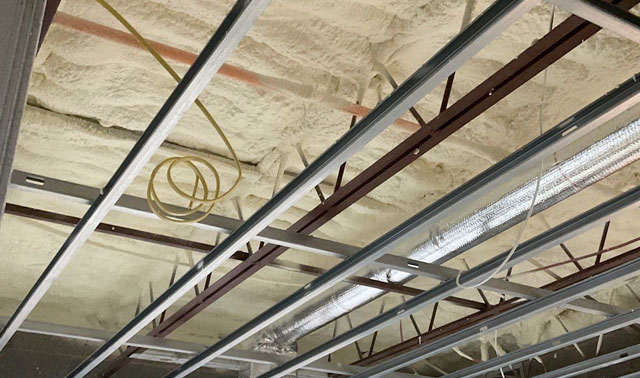 Insulation isn’t just about R-values. A quality contractor understands how insulation, air sealing, ventilation, and indoor air quality work together. Knowledgeable contractors know that air sealing should happen before adding insulation to avoid trapping drafts. They also understand the importance of moisture control in both Maryland’s and Virginia’s humid climate and the correct use of vapor barriers to prevent condensation and mold.
Your contractor should be able to explain the pros and cons of various insulation types, including traditional fiberglass insulation (both batts and blown-in insulation) and spray foam insulation. They should also have extensive knowledge of current state energy codes and regional requirements. For example, Maryland attics need an insulation level of R‑49 to R‑60 depending on climate zone, with similar requirements in Virginia.
Look for building science certifications such as BPI (Building Performance Institute) certification and participation in local energy rebate programs. These programs teach contractors how to evaluate a house as a complete system and demonstrate their serious commitment to building science.
3. Proper Licensing and Insurance
Hiring a licensed contractor protects you financially.
Maryland Requirements
Maryland requires all home improvement/insulation service contractors to hold a Maryland Home Improvement Commission (MHIC) license. Working without one is illegal. Licensed contractors must carry at least $500,000 in general liability insurance coverage. Maryland also offers the Home Improvement Guaranty Fund which reimburses homeowners for losses resulting from licensed contractor misconduct. This protection is only available if you hire a licensed contractor with a written contract.
Virginia Requirements
In Virginia, contractors must be licensed through the Department of Professional and Occupational Regulation (DPOR). The state also maintains a Contractor Transaction Recovery Fund for consumer protection.
Insurance to Verify
Ask for proof of:
- General liability insurance for property damage or accidents
- Workers’ compensation
- Property damage coverage
A reputable contractor will provide a Certificate of Insurance without hesitation.
4. Knowledge of Local Codes and Climate Needs
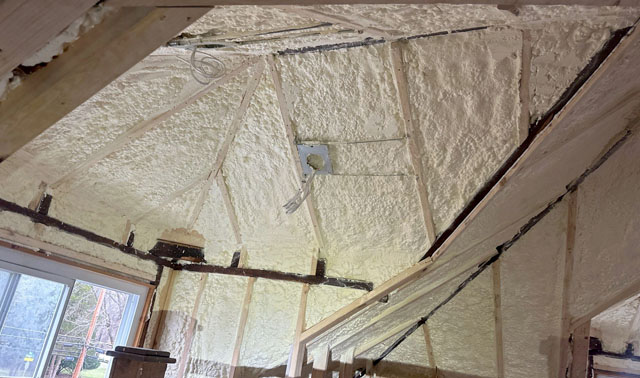 Maryland and Virginia both fall into climate zones that require higher attic R-values. State energy codes recommend R‑49 to R-60 for attic insulation in new or retrofitted attics. Your contractor is responsible for obtaining any permits required for new construction or significant renovations.
A reputable contractor should understand regional climate factors and ventilation needs, especially in attics and crawl space insulation areas, to prevent moisture buildup. They should offer tailored solutions tailored to local conditions rather than generic advice.
5. Reputation and Customer Service
Before choosing a contractor, check official complaint records through the Maryland Home Improvement Commission (MHIC) or Virginia’s Department of Professional and Occupational Regulation (DPOR). Local county consumer affairs offices, such as Fairfax County, also track complaints.
Online reviews can help, but don’t rely on them alone. Flashy ads and numerous online reviews don’t guarantee quality. Word‑of‑mouth referrals from neighbors and friends are often more reliable. You can also check a company’s Better Business Bureau ratings and local home builder association standings.
High-quality customer service is essential. Signs of strong customer service include:
- Quick responses to calls and emails
- On-site evaluations with clear, written estimates
- Respectful treatment of you and your home
- Willingness to answer questions and explain options
- Attention to detail that reflects a desire to please clients
6. Detailed Estimates and Written Contracts
 Take the time to get at least two or three contractors’ estimates for comparison. Avoid contractors who only give verbal quotes. A proper estimate should outline:
- Scope of work- specific areas to be insulated
- Materials and amounts
- Total insulation cost breakdown
- Estimated timeline
- Prep work like as air sealing and ventilation checks
Remember: the lowest bid isn’t always the best choice. Always compare value and detail in proposals and consider material quality and comprehensiveness.
Both Maryland and Virginia require written contracts. Never rely on verbal agreements. Make sure your contract includes the contractor’s name, license number and contact information, scope of work, materials, start and end dates, and payment schedule. Don’t sign anything with blank spaces and make sure all guarantees and warranties are included in the contract. Take your time reviewing the contract and consult if needed.
7. Red Flags and Scams to Avoid
There are always “helpful” contractors eager to step up and do the job. When you encounter questionable contractors, be cautious of:
- Door‑to‑door offers claiming “extra materials from the job down the street”
- Pressure to make immediate decisions
- Cash‑only payment demands with large upfront payments
- No written contract
- Evasive answers about licenses or insurance
- Prices that seem too low
If something feels off, trust your instincts. It’s better to keep looking for the right contractor for the job than risk problems for a quick fix. For door-to-door sales,b the Federal Trade Commission provides a “Cooling-off Rule” that allows you to cancel your sale within three days of purchase.
Insulation Solutions You Can Count On
Choosing the right contractor comes down to experience, building‑science knowledge, proper licensing, and clear communication. Use state resources like MHIC, DPOR, and extension programs to verify everything before signing. Taking the time to find the right contractor will ensure a smooth project and effective insulation results.
Foam InSEALators meets every requirement mentioned above. Since 1994, we’ve installed insulation in thousands of homes across Maryland, Delaware, and Northern Virginia. We handle everything from spray foam insulation to blown-in insulation, crawl space insulation, and even commercial insulation contractor services. Homeowners rely on our home insulation services because we deliver high‑quality work, fair pricing, and lasting results.
Our highly qualified team is here to answer your questions and provide peace of mind for proper insulation installation. You can count on us for professional guidance and dependable service every time.
Contact us today to make your Maryland or Virginia home more comfortable, durable, and energy efficient.
References
Calvert County Government. “Home Improvement Contractors.” Calvert County Maryland, www.calvertcountymd.gov.
Department of Professional and Occupational Regulation. “Virginia Contractor Licensing.” Virginia DPOR, www.dpor.virginia.gov.
Fairfax County Government. “Consumer Affairs – Contractor Information.” Fairfax County, www.fairfaxcounty.gov.
Maryland Energy Administration. “Home Performance with ENERGY STAR.” Maryland Energy,. https://energy.maryland.gov/residential/pages/resources/energystar.aspx.
Maryland People’s Law Library. “Home Improvement Contractors.” People’s Law, www.peoples-law.org.
University of Maryland Extension. “Home Energy: Insulation.” UMD Extension, https://extension.umd.edu/resource/home-energy-insulation/.